 Dinner Ideas Weekly
Stir Fry Chicken with Garlic Ginger Sauce (30 Minutes)
Bite-size chicken thighs seared until golden, then tossed in a glossy garlic, ginger and orange sauce. One skillet, 30 minutes, served over rice.
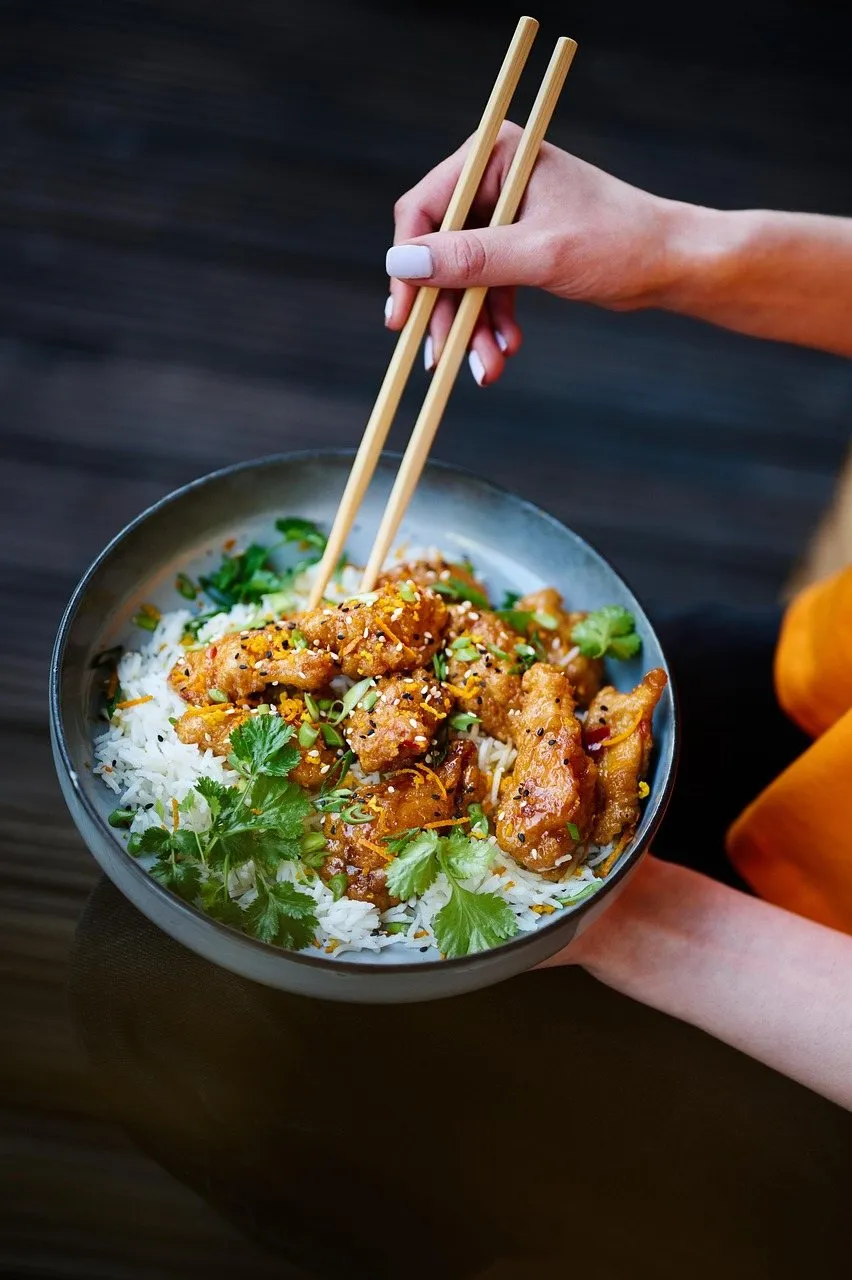
Bite-size chicken with crisp, golden edges in a glossy garlic ginger sauce, on the table in 30 minutes with one skillet and a pot of rice. A splash of orange juice and a little zest keep the sauce bright instead of heavy and sweet.
This version works because the chicken gets a thin cornstarch coat and sears in two batches, so it browns instead of steaming. You mix the sauce in a bowl before the pan goes on the heat, so the actual cooking takes about 12 minutes.
Why this recipe works
Three details make the difference. First, the cornstarch coating. Tossing the chicken with soy sauce and then cornstarch gives every piece a thin shell that browns fast and grabs the sauce. It also shields the meat from the high heat, so the inside stays juicy.
Second, batch cooking. A 12-inch skillet holds about 3/4 pound of chicken in a single layer. Crowd it and the pan temperature drops, the chicken releases water, and you get pale, boiled pieces.
Third, the sauce ratio. 1/3 cup broth, 3 tablespoons soy sauce, 2 tablespoons honey and 1 teaspoon cornstarch is just enough to coat 1 1/2 pounds of chicken without pooling in the bowl. It thickens in about a minute once it bubbles.
Ingredient notes
Chicken thighs: I like boneless, skinless thighs here because they stay tender even if they go a minute over. Breasts work too. Cut them the same size and pull them as soon as they hit 165°F.
Soy sauce: Use low-sodium. Regular soy sauce plus the salt in broth makes the dish too salty once the sauce reduces. Tamari behaves the same way if you need it gluten-free.
Cornstarch: Don't swap in flour for the coating. Flour turns gummy in a wet sauce, while cornstarch browns crisp and goes glossy.
Fresh garlic and ginger: These carry the sauce. Jarred minced ginger is fine in a pinch (same amount). Ground ginger tastes flat. If it's all you have, use 1/2 teaspoon and stir it into the sauce bowl, not the hot oil.
Orange: The juice goes in the sauce and the zest goes on at the end. The zest is where the fresh citrus smell comes from, so grate it right before serving.
Oil: Sear in a neutral oil with a high smoke point, such as canola, vegetable, peanut or avocado. Keep the toasted sesame oil in the marinade, because it burns at searing heat.
How to make stir fry chicken
Start the rice first, since it takes longer than the stir fry. Cut the chicken into even 1-inch pieces so they all finish at the same time, then toss them with soy sauce and sesame oil, followed by the cornstarch. Let them sit while you mix the sauce and prep the garlic, ginger and scallions. Have everything within reach before the pan heats, because the cooking moves fast.
Heat the skillet over medium-high until the oil shimmers. Lay in half the chicken and leave it alone for 2 to 3 minutes, until the underside is golden and releases easily. Flip, cook 2 minutes more, and move it to a plate. Repeat with the rest.
Drop the heat to medium and cook the scallion whites, garlic and ginger for 30 seconds, just until fragrant. Stir the sauce (the cornstarch settles) and pour it in. Once it bubbles and turns glossy, return the chicken and toss for 1 to 2 minutes. The chicken is done when the thickest piece reads 165°F.
Common mistakes (and how to fix them)
Pale, soggy chicken: the pan was crowded or not hot enough. Cook in two batches and wait for the oil to shimmer before the meat goes in.
Dry chicken: usually breast meat cut too small or cooked too long. Keep the pieces at 1 inch and take them off the heat at 165°F.
Thin sauce: the cornstarch sank to the bottom of the bowl, or the sauce never fully boiled. Stir it right before pouring and let it bubble for a full minute. Still thin? Mix 1 teaspoon cornstarch with 1 tablespoon cold water and stir it in.
Gluey sauce: it reduced too far. Loosen it with broth or water, 1 tablespoon at a time.
Bitter, burnt garlic: garlic scorches in seconds over high heat. Lower the heat to medium before adding the aromatics, and pour in the sauce after 30 seconds.
Too salty: regular soy sauce or full-sodium broth will do it. A squeeze of orange juice or a splash of rice vinegar balances the salt.
What to serve with stir fry chicken
Steamed jasmine rice is the classic base and soaks up the extra sauce. To round out the meal, add one of these:
- Garlicky sautéed bok choy or green beans, cooked in the same skillet while the chicken rests
- Smashed cucumber salad with rice vinegar and a pinch of sugar, for something cold and crunchy
- Steamed broccoli, served on the side or tossed straight into the sauce
- Egg fried rice instead of plain rice, if you have day-old rice in the fridge
Tips for success
- Pat the chicken dry before seasoning. Surface water stops it from browning and makes the cornstarch clump.
- If you use breasts, freeze them for 15 minutes first. Firm meat is much easier to cut into even pieces.
- Mix the sauce in a measuring cup so you can stir it and pour it in one motion.
- Wash the cutting board, knife and your hands with hot soapy water after handling raw chicken, before you touch the scallions and cilantro.
- An instant-read thermometer is the only reliable doneness test. Check the thickest piece, not the edge of the pan.
Substitutions
- Chicken breast: same 1-inch pieces and same cook time; it's leaner and dries out faster, so pull it right at 165°F.
- Gluten-free: use tamari instead of soy sauce and check that your broth is labeled gluten-free.
- Coconut aminos instead of soy sauce: works for soy-free, but it's sweeter, so cut the honey to 1 tbsp.
- Honey: maple syrup or packed brown sugar 1:1; brown sugar gives a deeper, molasses-like sauce.
- Orange juice: replace with 1 tbsp water plus 1 extra tbsp rice vinegar; you lose the citrus aroma, but the sauce stays balanced.
- Shrimp: sear 1 1/2 lb peeled shrimp 1 to 2 minutes per side until pink and opaque, then add them back with the sauce.
- Add vegetables: after the chicken comes out, stir-fry 3 cups broccoli florets, sliced bell pepper or snap peas for 3 to 4 minutes (add 2 tbsp water for broccoli), then continue with the aromatics. Make 1 1/2 times the sauce so there's enough to coat everything.
- Dairy-free: the recipe already is.
Storage and reheating
Refrigerate leftovers in an airtight container within 2 hours of cooking and eat within 3 to 4 days. Store rice separately and refrigerate it within 2 hours too, since cooked rice left at room temperature can grow bacteria. Freeze the chicken and sauce for up to 3 months for best quality, then thaw overnight in the fridge. Reheat in a skillet over medium with 1 to 2 tbsp water, or covered in the microwave, stirring halfway, until it reaches 165°F. The coating softens after storage, but the flavor holds up well.
Make ahead
Cut the chicken and toss it with the soy sauce and sesame oil up to 24 hours ahead, then keep it covered in the fridge. Add the cornstarch just before cooking so it doesn't turn pasty. Whisk the sauce up to 3 days ahead and refrigerate it in a jar (shake well before using). Mince the garlic, grate the ginger and slice the scallions the day before.
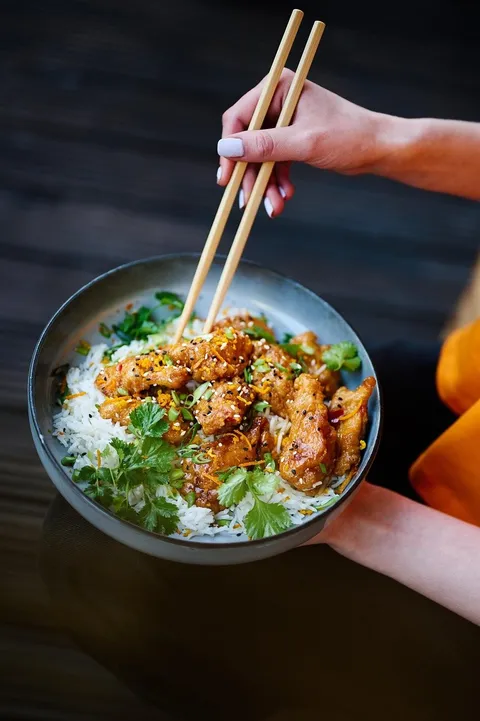
Stir Fry Chicken with Garlic Ginger Sauce
Bite-size chicken thighs seared until golden, then tossed in a glossy garlic, ginger and orange sauce. One skillet, 30 minutes, served over rice.
- Prep
- 15 mins
- Cook
- 15 mins
- Total
- 30 mins
- Servings
- 4 servings
Ingredients
Instructions
- Start the rice: cook 1 1/2 cups jasmine rice according to the package (about 15 to 18 minutes) so it's ready when the chicken is.
- Pat the chicken dry and cut it into 1-inch pieces. Toss with 1 tbsp soy sauce and the sesame oil, then sprinkle with 3 tbsp cornstarch and toss until no dry powder remains. Let it sit while you prep the rest.
- In a measuring cup, whisk the broth, 3 tbsp soy sauce, honey, orange juice, rice vinegar, 1 tsp cornstarch and red pepper flakes until smooth.
- Heat 1 tbsp neutral oil in a 12-inch skillet over medium-high until it shimmers, 1 to 2 minutes. Add half the chicken in a single layer and cook undisturbed until the underside is golden and releases easily, 2 to 3 minutes. Flip and cook 2 minutes more, then transfer to a plate.
- Add the remaining 1 tbsp oil and repeat with the rest of the chicken. Transfer to the plate.
- Lower the heat to medium. Add the scallion whites, garlic and ginger (plus 1 tsp oil if the pan looks dry) and stir until fragrant, about 30 seconds.
- Stir the sauce again and pour it into the skillet, scraping up the browned bits. Simmer, stirring, until it bubbles, turns glossy and coats a spoon, about 1 minute.
- Return the chicken and any juices to the pan and toss until every piece is coated, 1 to 2 minutes. Check the thickest piece with an instant-read thermometer: it should read 165°F.
- Take the pan off the heat. Grate the orange zest over the top and sprinkle with sesame seeds, scallion greens and cilantro. Serve over the rice.
Equipment
- 12-inch skillet or wok
- instant-read thermometer
- saucepan for rice
Nutrition (per serving)
- Calories
- 355 kcal
- Protein
- 35 g
- Carbs
- 17 g
- Fat
- 16 g
- Fiber
- 1 g
- Sodium
- 740 mg
Nutrition values are estimates per serving and change with brands and portion sizes.
Dinner Ideas Weekly · https://dinnerideasweekly.com/blog/stir-fry-chicken
Frequently asked questions
Can I use frozen chicken for stir fry?
Thaw it first, either overnight in the fridge or sealed in a bag under cold water for about an hour. Frozen pieces release water in the pan, steam instead of browning and cook unevenly. Pat thawed chicken very dry before coating it.
Can you freeze stir fry chicken?
Yes. Cool it, pack the chicken and sauce in a freezer container and freeze for up to 3 months. Thaw in the fridge overnight and reheat in a skillet until it reaches 165°F. Freeze rice separately for the best texture.
How do I know when stir fry chicken is done?
Chicken is safe at 165°F in the thickest piece, measured with an instant-read thermometer. One-inch thigh pieces usually get there after about 5 minutes of searing plus 1 to 2 minutes in the sauce.
Is this the same as orange chicken?
No. Takeout orange chicken is battered and deep-fried, with a thicker, sweeter sauce. This version uses a light cornstarch coat, 2 tablespoons of oil and a sauce where orange is a bright accent, not the main flavor.
Can I make it in a wok instead of a skillet?
Yes. Use a carbon-steel wok over high heat and follow the same steps. Woks have a smaller flat cooking area, so sear in three batches instead of two.